
What temperature should I set my thermostat to in summer?
Learn how to choose a summer AC thermostat setting for comfort, humidity and energy use in North Texas. Understand why 78°F is a starting point, not a rule.
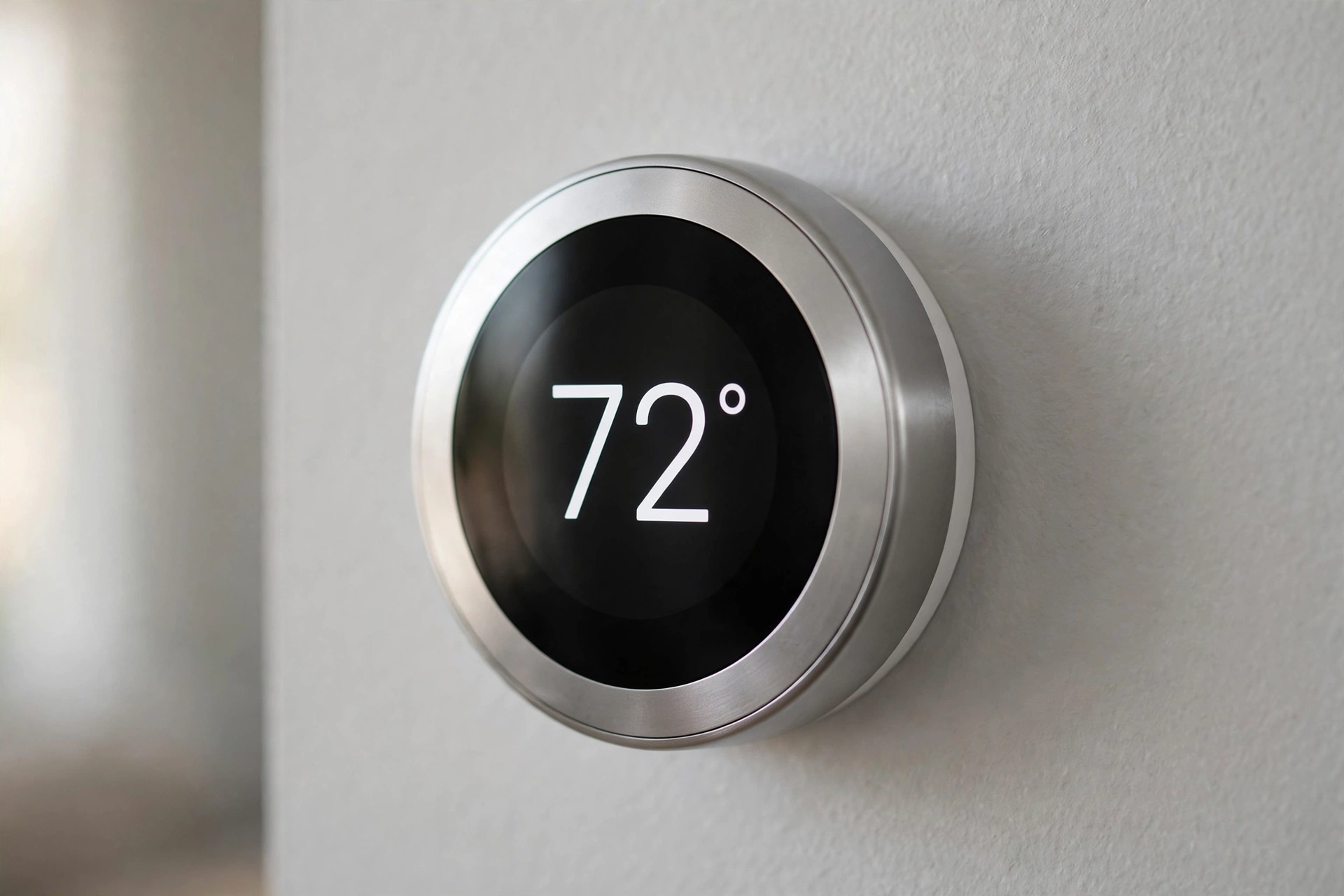

There is no single best setting for every home.Around78°Fis one commonly cited energy-saving starting point when you are home, but your comfort, health needs, humidity. Household members matter more than hitting an exact number. Choose the warmest indoor setting that keeps everyone comfortable and safe, then adjust based on how the house feels.
Start with a comfortable setting
If you already have a setting that keeps the family comfortable, you do not need to chase a specific number. If you want to experiment with saving energy, try raising the setting one degree, then allow time to see how the rooms feel. Small steps make it easier to find a balance.
A thermostat set to 78°F isnot a promise of savingsandnot a medical or safety threshold. Older adults, young children, people with certain health conditions. People dealing with extreme heat may need a cooler indoor environment. Keep safety and actual indoor conditions first.
Why a higher setting can use less electricity
Your AC removes heat from the house. When you ask for a lower indoor temperature on a hot day, it often has to run longer to move more heat outside. Setting the thermostat a little higher can reduce the amount of cooling needed. Actual savings depend on your weather, insulation, system, humidity, and schedule.
Important:Turning the thermostat all the way down to 60°F doesnotmake a typical single-stage AC cool faster. It usually just tells the system to keep running until it reaches an unnecessarily low target.
Home, away, and bedtime
- When you're home:Start with the temperature that keeps the rooms comfortable and safe. If you want to try an energy-saving target, 78°F is a widely used starting point, not a mandate.
- When you're away:A higher temperature may reduce cooling demand. Do not allow indoor conditions to become unsafe for pets, people, sensitive items, or humidity control. Very large setbacks may create comfort problems; adjust for the home and system.
- At bedtime:Choose a setting that lets the household sleep comfortably. A programmable or smart thermostat can follow that schedule automatically.
What about humidity?
In North Texas, a home can feel uncomfortable even when the thermostat shows the set temperature. AC also removes moisture from the air. If the air feels sticky, raising the temperature too far or selecting continuous fan use may make moisture control worse in some homes. A technician can check whether the system, airflow. Settings match the home's needs.
If you notice condensation, persistent musty smells, or unusually high indoor humidity, do not assume the thermostat number is the whole issue.
Four thermostat checks any homeowner can make
- SelectCOOLmode during summer cooling.
- Set the desired temperature below thecurrent indoor temperatureif you want the AC to start.
- For many central systems, useAUTOfan use unless the system maker's instructions call for something else.
- If the screen is blank and the model uses batteries, check or replace those batteries as directed by the thermostat maker.
Never remove electric covers or work on wiring to troubleshoot a thermostat.
When to call a professional
If the thermostat appears to call for cooling but the house stays warm, the trouble may be airflow, outdoor system, electric controls, frozen coils, or refrigerant performance—not the thermostat alone. A pro diagnosis is needed to distinguish these issues. SeeWhy is my AC running but not cooling?.
Related Questions
 Why does my thermostat say COOL but no cool air comes out?
How often should I service my HVAC system?

Still Have Questions? Ask an HVAC Expert.
Couldn't find the answer you need? Tell us what's happening. Our team will review your question and contact you to help.
Ask Your Question →Draft sources:U.S. Department of Energy and ENERGY STAR references as listed in the draft manuscript. 78°F is presented as a commonly cited starting point, not a rule or a savings promise.