
Why Isn’t My Air Conditioner Cooling?
Common causes, what you can check, and when to call a pro.
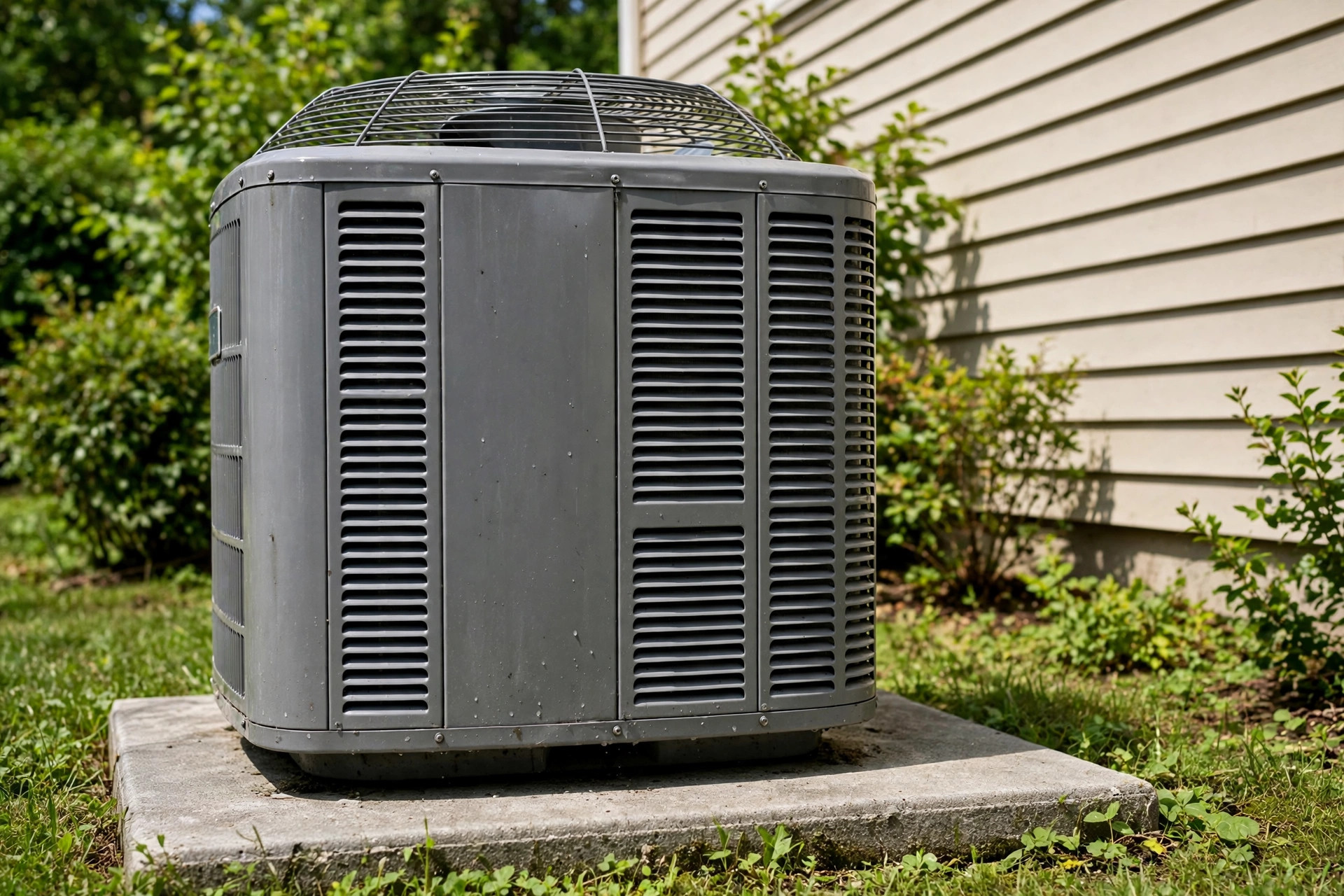

Your AC has two jobs: move air, and move heat. If it runs but does not cool, one of those jobs is failing. Common causes are a dirty filter, blocked airflow, a frozen indoor coil, a problem at the outdoor unit, or low refrigerant. The symptom alone cannot tell you which one. That takes testing.
Common Causes (and What to Check)
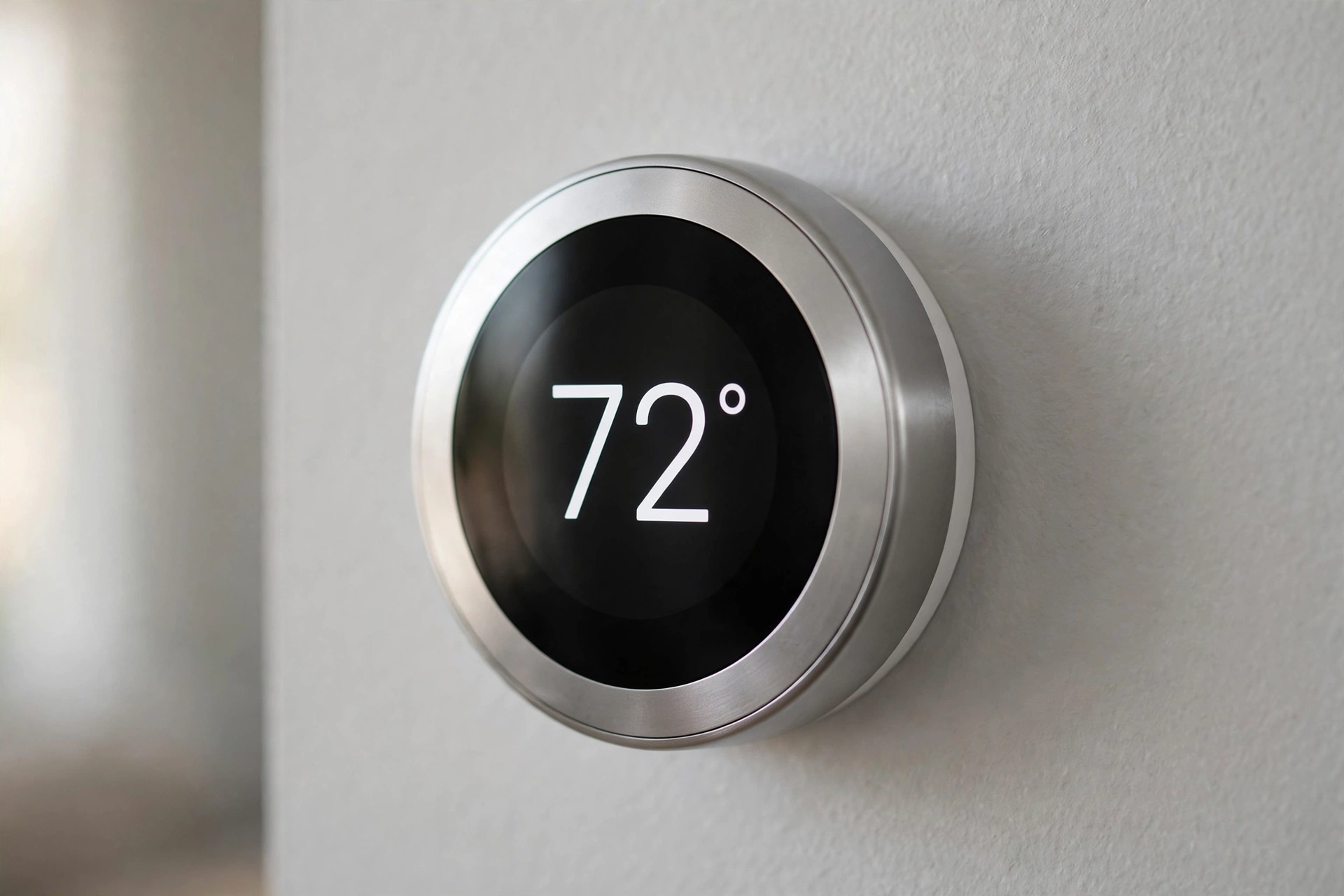
Check Your Thermostat
Make sure it’s set to Cool, the temperature is set below the current room temperature, and the batteries are working.
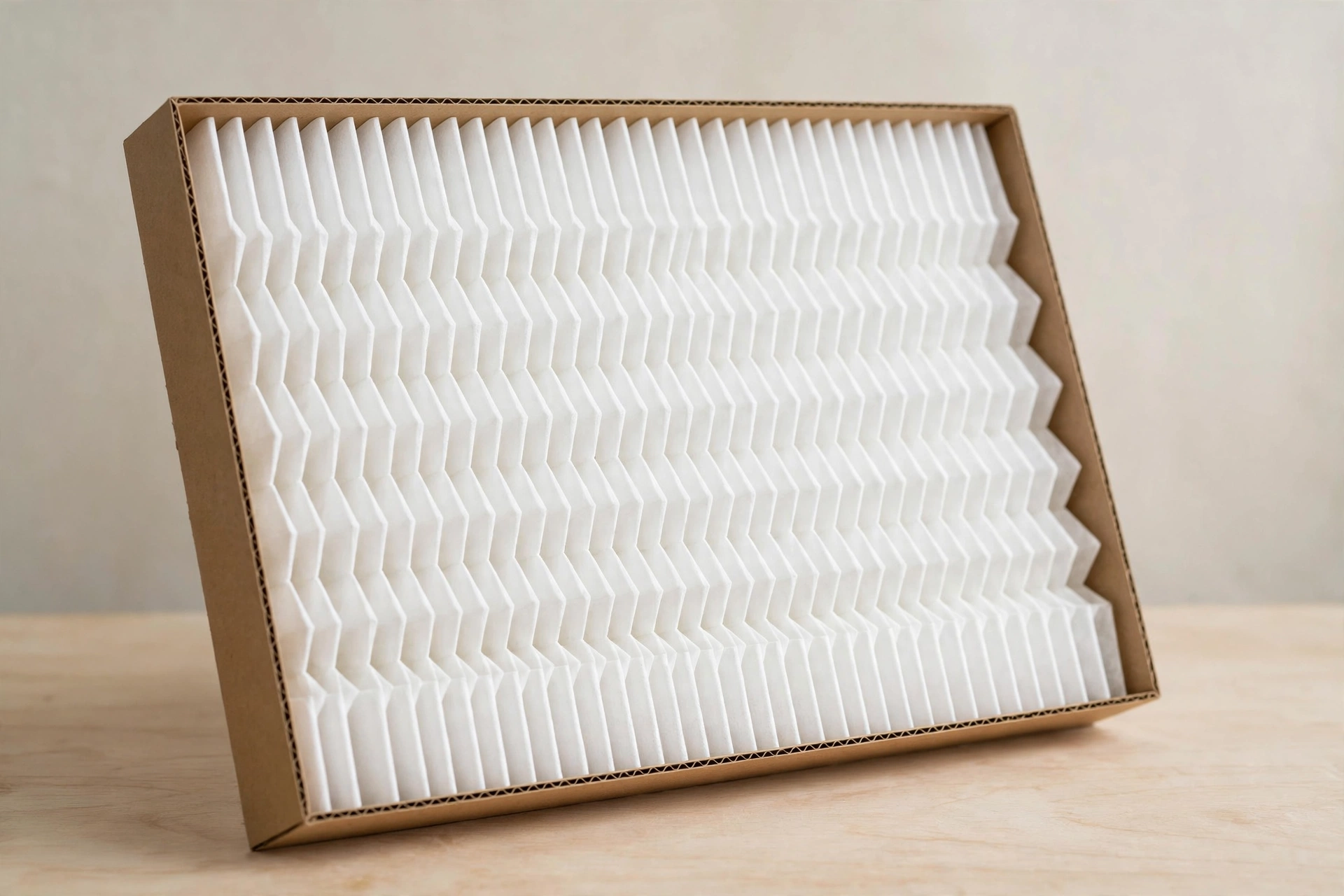
Check Your Air Filter
A dirty filter can restrict airflow and reduce cooling. Replace it if it’s dirty.
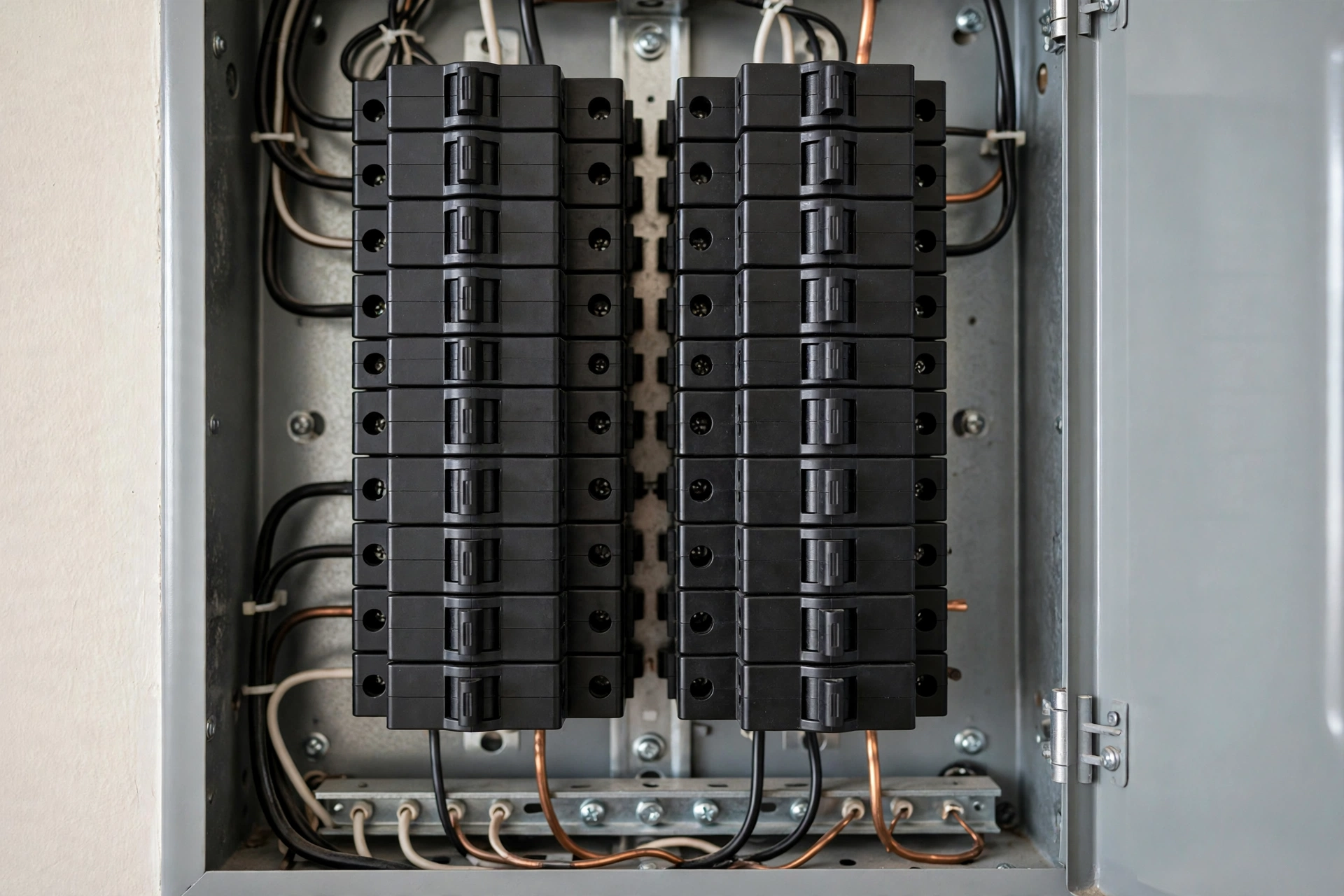
Check the Breaker
Look for a tripped breaker in your electric panel and reset it once, if needed. If it trips again, stop. A breaker that keeps tripping is a symptom, not a nuisance.
Outdoor Unit
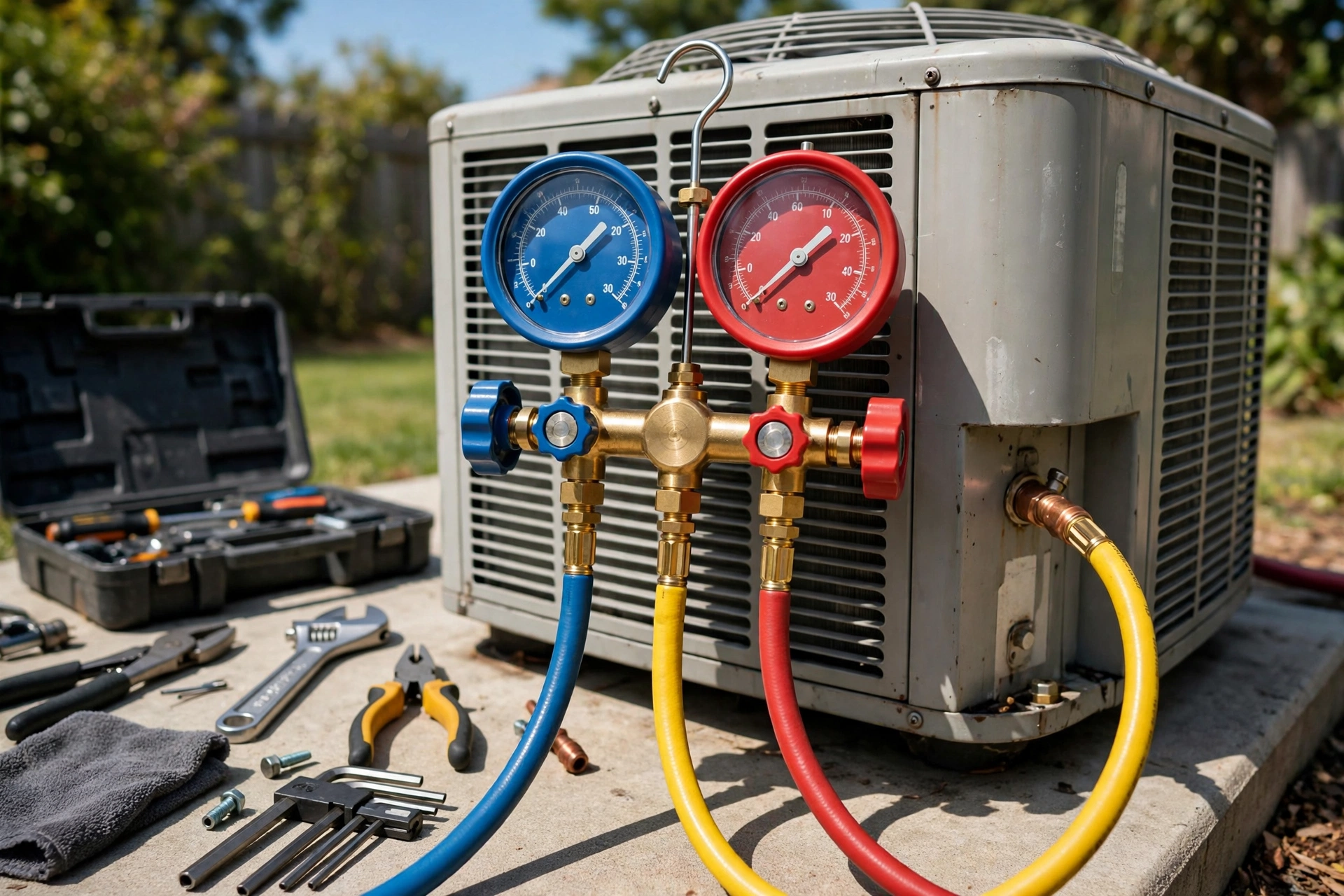
Make sure the outdoor unit isn’t blocked by debris, plants, or other objects.
Possible Refrigerant Issue
Low refrigerant can reduce cooling, but it’s usually caused by a leak or improper charging. A technician’s test is needed to confirm.

When to Call a Professional
If you’ve checked the items above and your home still isn’t cooling, it’s time to schedule a service visit. Call Texas Heat & Air at (682) 438-8127 for help finding the cause.
Schedule ServiceWhat you can safely check
- Set the thermostat — the wall control that tells the system when to start and stop — to COOL, a few degrees below the room reading. The fan to AUTO.
- Check the filter. Replace it if it is dirty or matted.
- Make sure supply vents are open and not covered by furniture. That return vents are not blocked.
- Look at the outdoor unit from a safe distance: is its fan spinning when the system calls for cooling? Clear leaves and debris from around it — from outside the cabinet only.
- Do not open panels, touch refrigerant lines, or add refrigerant yourself. Refrigerant work needs federal certification.
What might be causing this
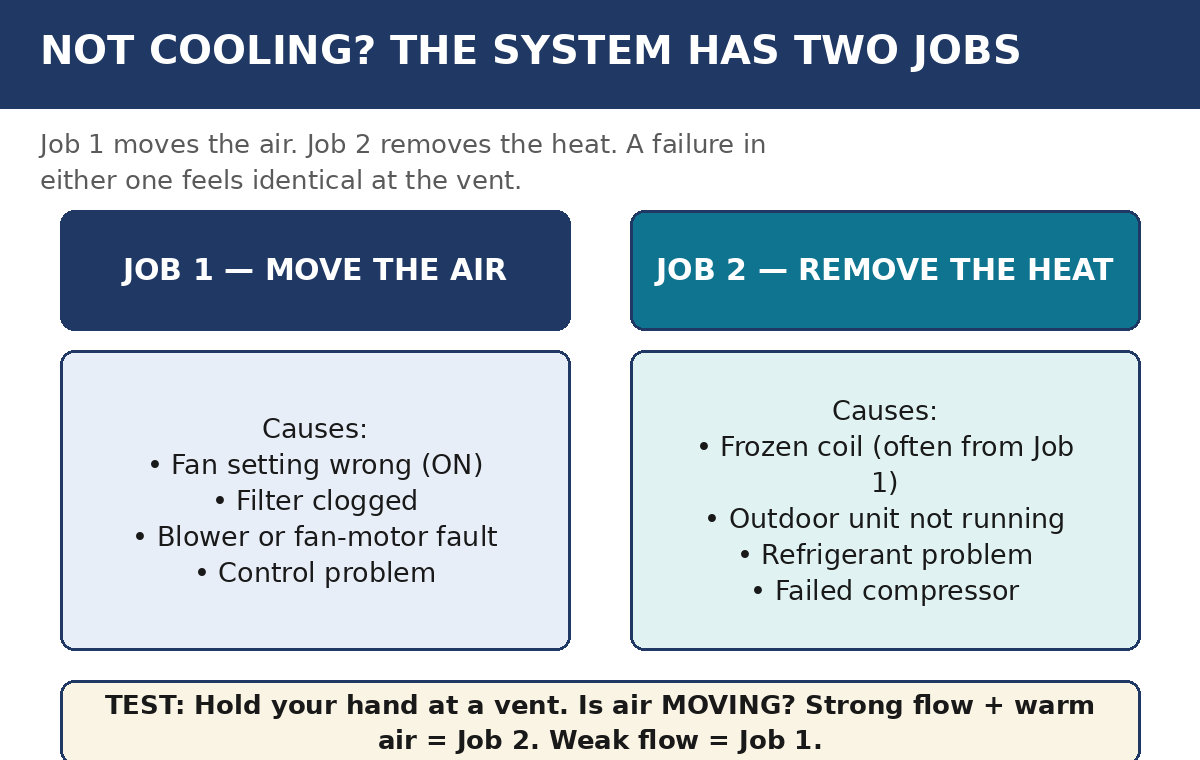
Think of cooling as two jobs that must happen together. Job one is moving air. The blower pulls warm indoor air through the filter and across the indoor coil. That coil is the evaporator coil. The coil where refrigerant absorbs heat from indoor air, so the air comes back to your rooms cooler and drier. Then the blower pushes the cooled air back to your rooms.
Job two is moving heat. Refrigerant is the fluid sealed inside the system that carries heat. It soaks up heat from your indoor air, carries that heat outside. Releases it at the outdoor unit. When air blows but the house stays warm, job one is working and job two is failing. Or airflow is too weak for job two to keep up.
Take the causes in order, simplest first. A clogged filter starves the system of air. It is the most common cause. It is the only one on this list you can fix yourself. Blocked or closed vents do a milder version of the same thing.
Next is a frozen indoor coil. Ice blocks airflow even more. Cooling gets worse the longer the system runs. It is a spiral, not a steady state (Q19 covers it in full). At the outdoor unit, a stopped fan or a coil matted with debris leaves the collected heat with nowhere to go.
Last is low refrigerant. Refrigerant is not a fuel. The system never "uses it up." A system that is low was charged incorrectly in the past, or it has a leak. Adding more without finding the leak just buys the same problem again next season (Q26).
One trap deserves a warning: the fan setting. If the fan is set to ON instead of AUTO, the blower keeps running between cooling cycles. It pushes un-cooled air through the vents. It also blows back moisture the coil just removed. The house feels warmer and damper, even though the cooling side is fine. Check the setting before you assume something has failed.
Here is the honest limit: these causes overlap. Low refrigerant and a dirty filter can both freeze a coil. Weak airflow feels the same from the living room either way. That is why the answer is a short list of safe checks, then a diagnosis. Not a guess you pay for twice.
| What you observe | Cause family to suspect |
|---|---|
| Air blowing, filter filthy, cooling weak everywhere | Airflow (Job 1) |
| Ice on the coil or copper lines | Airflow restriction or low refrigerant — turn cooling OFF (Q19) |
| Outdoor fan not spinning while indoor air blows | Outdoor unit — electric or motor (Job 2) |
| Cools early, warms as the day goes on | Freezing coil or capacity loss — diagnosis needed |
| Fan blows between cycles, house feels damp | Thermostat fan set to ON — switch to AUTO |
When to call a professional
Call when the checks do not bring cooling back, when you see ice. When the outdoor fan will not run. A technician tests what your eyes cannot settle: refrigerant performance, starting parts, blower airflow, and coil condition. Running a failing system can turn a modest repair into a larger one.
What happens next
A diagnostic visit finds the actual cause before any repair is quoted. Ask Texas Heat & Air to confirm the diagnostic fee when you book. You receive a written diagnostic report and a written repair estimate. No repair begins until you approve it.
Related Questions
 How often should I change my air filter?
Why does my thermostat say COOL but no cool air comes out?

Still Have Questions? Ask an HVAC Expert.
Couldn't find the answer you need? Tell us what's happening. Our team will review your question and contact you to help.
Ask Your Question →